Table Of Content
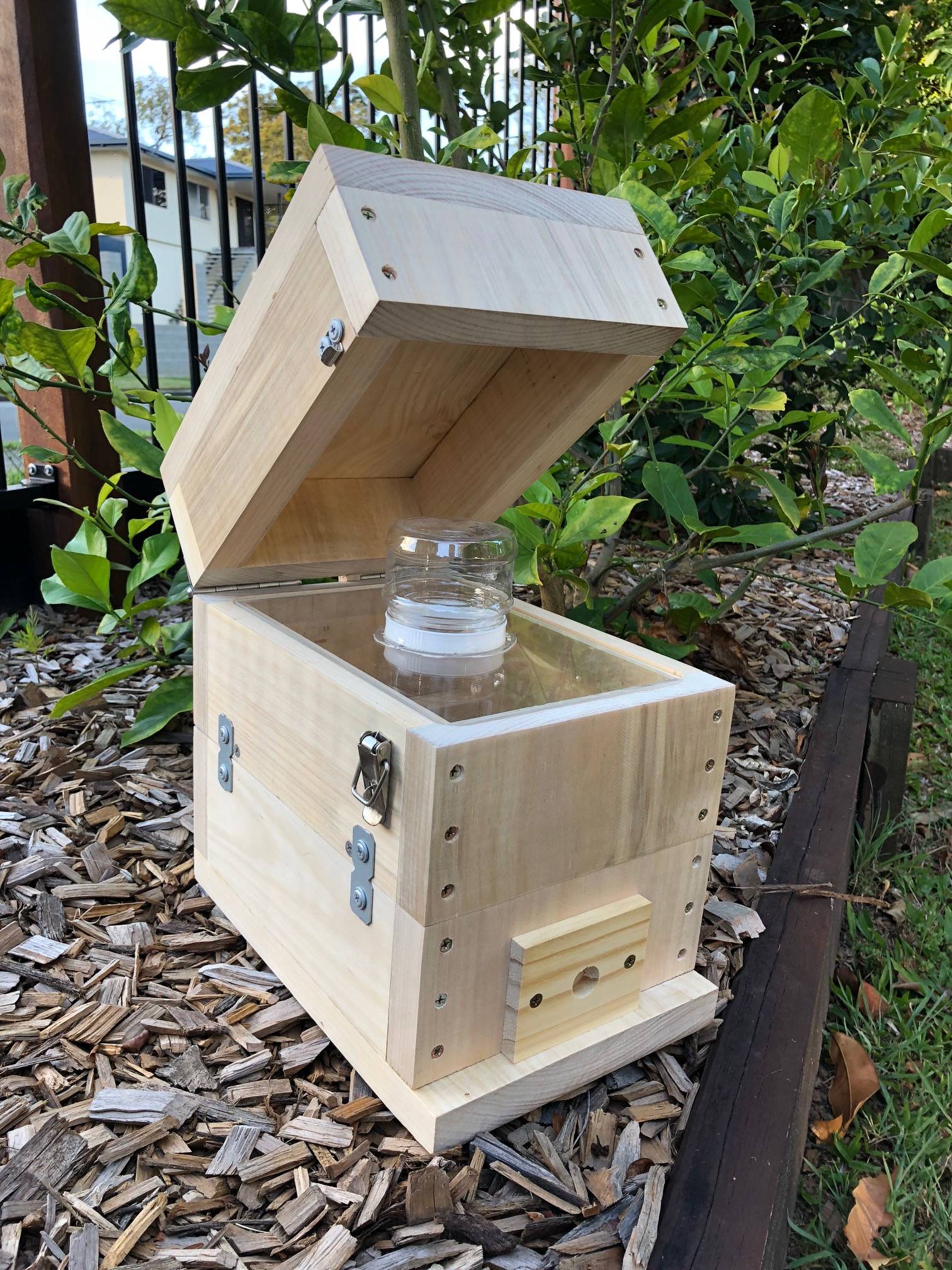
This keeps the bottom board dry and helps to insulate the hive. Bill has decided to use frames without beeswax foundation, although he has included some some with a starter strip at the top to guide construction. Beeswax foundation has acquired a reputation from some beekeepers as being contaminated with pesticides due to Varroa mite treatments. Now DWP is hurrying to finish building a plant next door that will run primarily on gas, but with the capability to mix in up to 30% hydrogen at startup in mid-2025.
Langstroth Movable Frame Hive
Each hive becomes a one-of-a-kind piece, showcasing the resourcefulness and ingenuity of the beekeeper. Furthermore, upcycled hives can be more cost-effective compared to purchasing new materials, making beekeeping more accessible to individuals on a budget. Another approach to bee hive design involves the use of upcycled materials. By repurposing materials that would otherwise end up in landfills, beekeepers can reduce waste and contribute to a circular economy. Upcycled hives can be constructed from a variety of materials, such as reclaimed wood, recycled plastic, or even repurposed household items. They are particularly beneficial for beekeepers who rely on technology for hive management, as they eliminate the need for batteries or grid power.
Cutting the Wood Panels
This hive works well and doesn’t bother the bees as much (3). Speaking of transferring bees, where do you put a new package of bees? Well, you can just build this plan and move the whole box inside, no problem. The setup has everything your bees need to feel at home, including a feeder. If you don’t want to transfer bees from a swarm trap, then capture them straight into a hive.
Hive Stand
Additionally, rooftops provide a safe and secluded environment for the bees, away from potential disturbances and predators. Beekeepers who use observation hives often find them to be valuable tools for learning and teaching. They allow for a hands-on experience that can stimulate curiosity and foster a deeper understanding of the complex social structure and behaviors of bees. Observation hives also serve as a reminder of the importance of honey bees and the vital role they play in pollination and ecological balance.
Installing the Beehive Entrance
It will give the bees a place to colonize and give them a reason to hang around your property. Even if you have an urban homestead with a rustic décor, this hive would fit in perfectly. However, this option is even better because you can have brand new ones in a less expensive way by building them yourself.
Horizontal beehives are typically constructed using wood, though other materials can also be used. The design consists of a long, horizontal box with removable frames. These frames allow the bees to build their comb and store honey. A critical aspect of the design is ensuring proper ventilation to prevent moisture buildup. The horizontal beehive is a revolutionary approach to beekeeping that emphasizes the natural behavior of bees.
The stepping seats surround a triangulated, pyramidal skylight that brings light to the conference, reception, and open stair way areas. A French beekeeper named Emile Warre spent 50 years designing the “People’s Hive,” or as it is often called the Warre Hive. Since Langstroth hives are so popular and come in modular layouts, you can easily source brand-new replacement parts should you ever want to expand your hive or do repairs. The Langstroth is well-respected as a hive offering the potential for a good deal of honey.
Vital Stats and Materials List for the Langstroth Hive - dummies - Dummies.com
Vital Stats and Materials List for the Langstroth Hive - dummies.
Posted: Wed, 23 Jun 2021 07:00:00 GMT [source]
An open-source plan for a top bar beehive, this project would be suited well to those looking for pollination. This beehive cabinet is made from wood scraps, so any cost or waste is minimal. It’s in the Langstroth style and is fine for the beginner beekeeper.

The size of the hive should be proportional to the number of bees in the colony. Just stack them together, build a roof and an entrance, and you’ll have a one of a kind beehive in no time and for practically no money. Since the configuration depends on the location and purpose of the bees, you may not start off with all the boxes you need. Additional boxes are added below the brood boxes, allowing the bees to draw comb downward like they naturally do.
Beekeeping equipment should be built to a closer standard. Manual extraction involves removing the frames from the honey supers and uncapping the honeycomb cells using a hot knife or uncapping fork. Once uncapped, the frames are placed in a honey extractor, which uses centrifugal force to spin the honey out of the comb.
Using a screened bottom board has also proved effective in keeping down Varroa mite numbers by allowing the mites to fall through the screen and out of the hives. The Dadant Screen IPM Board has an additional removable monitoring screen for checking Varroa levels of a hive. The Apis Information Resource Center website seeks to promote beekeeping through a wide range of topics that are of interest to both the beginner and advanced beekeeper.
A beehive stand should be high enough that predators can’t get to it. But it should also not be too high that you have a hard time maintaining it. It’s not the prettiest stand out there, but it does the job at almost no expense. Building this hive stand is as easy as stacking two cinder blocks on opposite ends and then inserting two posts through the slots to form a bridge. This beehive stand version uses old skids to save on expenses, but it works to give you just as much honey. Free bees sound fantastic, but it’s easier to imagine than to do it.
There is a Youtube video and pictures to go along with written plans. If you are interested in a top bar hive then this could be it. This top bar hive is pretty similar to the other ones mentioned. However, I will say that these plans might be a little more detailed. This site has pretty much every part of a hive that you will ever need. It is really cool because you can just scroll through the pictures to figure out what you need.
The next step in building the beehive box is installing frames and foundation. Frames provide support for the bees’ comb and foundation sheets serve as the base for the bees to build their honeycomb. Start by inserting the frames into the designated slots inside the box. Make sure they are aligned properly and securely in place. Then, carefully attach the foundation sheets to the frames using wire or embedding techniques, ensuring they are centered and secure. Most beekeepers in the U.S. keep bees in a standard, sometimes called “Langstroth” hive.
An innovative beehive option, this DIY beehive project starts with a pine board with holes cut into it to accommodate 6 to 8 Mason jars. A plus is that you can see the bees at work inside the jars. Dating back to the 1948 book “Beekeeping for All,” this plan will keep a beginning to intermediate woodworker busy as a bee. This beehive is a good option for beekeepers — from beginners to experienced veterans. This Langstroth option includes ten frames your bees can call home. It’s a good option for intermediate beekeepers and woodworkers.




No comments:
Post a Comment